







What is a chatbot platform? It’s a tool that helps businesses automate customer interactions, save time, and enhance the overall experience. Chatbot platforms are becoming essential for improving efficiency and staying competitive.
Introduction
The Rise of Conversational AI
Today’s customers expect fast, 24/7 support. Chatbots automate communication, handle repetitive tasks, and engage customers anytime, reducing support team workload. Platforms like Botcake.io make it easy to set up these chatbots without needing advanced technical skills.
Defining a Chatbot Platform
A chatbot platform is a software framework or service that enables the creation, deployment, and management of chatbots - digital agents capable of simulating human-like conversations.
The purpose of a chatbot platform is to help businesses communicate with customers faster, more consistently, and at scale. It automates common conversations while still allowing smooth handover to human agents when needed. By doing so, it improves customer experience, increases efficiency, and supports sales and support teams without requiring constant manual effort.
Core Components of a Chatbot Platform
Conversational AI Engine
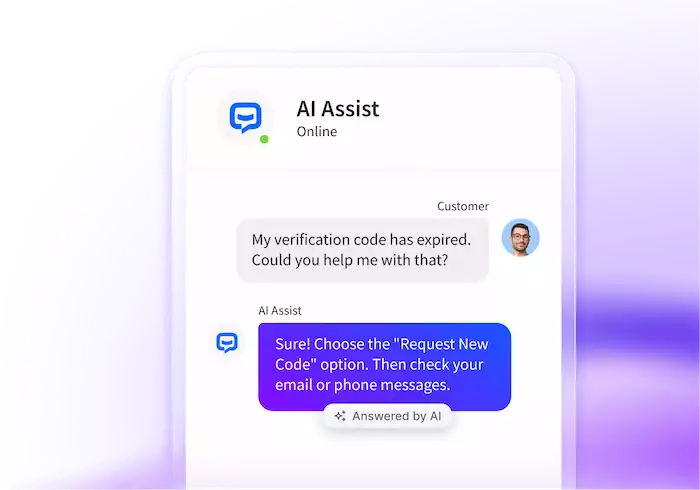
A key feature of many chatbot platforms is NLP/NLU, which allows bots to understand human language, interpret user intent, and respond appropriately even when phrasing varies.
Dialogue management controls how a conversation flows, keeping track of what’s been said, the context, and the logic behind it. This helps the bot give clear, relevant answers and follow a conversation that makes sense to the user.
Many advanced chatbot platforms also use machine learning, which means they can learn from past interactions. Over time, this helps the bot improve its answers, notice patterns, and respond more accurately in future conversations.
User Interface (UI) for Bot Building
To make bot creation accessible, many platforms offer drag-and-drop UIs where non-technical users can build conversation flows visually, without coding.
Visual flow builders let developers (or business users) map out conversation logic - branches, user choices, follow-up actions - using diagrams or flowcharts. This improves clarity and simplifies maintenance.
For more complex requirements, some platforms provide code-based tools or APIs for developers to script custom logic, integrate external services, or handle complex workflows beyond what visual builders allow.
Integrations and Channels
A strong chatbot platform works across many messaging channels, like WhatsApp, Facebook Messenger, or local apps, so businesses can reach customers where they already spend their time.
Besides messaging apps, chatbots can also be added to websites or mobile apps, letting customers get support or interact directly while they browse or shop.
Many platforms can connect with CRM systems or other business tools, which helps keep data flowing smoothly - for example, saving conversation history, pulling up customer records, or triggering tasks behind the scenes.
For e-commerce or other services that involve payments, chatbots can even handle purchases, bookings, or payments right in the chat, making the experience simple and convenient for customers.
Analytics and Reporting
Effective platforms offer analytics on how many conversations occur, their duration, and general usage patterns - helping businesses understand load and performance.
Bots can track how users engage: which messages trigger responses, which paths are most popular, where users drop off - useful for optimizing conversation flows. Performance metrics (e.g., response accuracy, resolution rate, fallback occurrences) help organizations assess efficacy and improve bots over time.
Hosting and Deployment Options
Many chatbot platforms are cloud-based - meaning hosting, scaling, and maintenance are handled by the provider, enabling easy deployment and global reach.
For organizations with strict data security or compliance needs, some platforms offer on-premise deployment, giving full control over data storage and infrastructure.
Types of Chatbot Platforms
Rule-Based Platforms
Rule-based platforms operate on predefined scripts or keyword matching, responding only when specific terms or keywords are detected. They are easy to build and work well for simple tasks like FAQs or basic navigation. However, because they lack true language understanding, they struggle with varied phrasing and complex or ambiguous user requests.
Hybrid Platforms
Hybrid platforms blend rule-based logic for predictable flows (e.g., basic FAQs) with AI-powered components for complex or ambiguous interactions. This gives a balance between simplicity and sophistication.
By combining both approaches, hybrid platforms offer reliability for standard tasks and flexibility when human-like understanding is needed, improving coverage and user satisfaction.
Industry-Specific Platforms
Some chatbot platforms are tailored for specific industries, for instance, healthcare bots for appointment scheduling or symptom checking, e-commerce bots for product recommendation and order tracking, or customer-service bots for support workflows.
These platforms usually come with ready-made tools for different industries, like payment gateways for online stores or EHR systems for healthcare. They also offer conversation flows designed to fit each sector, so everything works more smoothly right from the start.
Key Features to Look for in a Chatbot Platform
Ease of Use and Development
For small businesses or non-technical users, having low-code or no-code interfaces makes chatbot development quick and accessible without deep programming knowledge.
For businesses needing customization or complex workflows, access to APIs and developer tools allows integration with backend systems, custom logic, and expansion beyond simple flows.
Built chatbot to Scale and Adapt to Your Business
Chatbot platform should handle growing volumes of conversations without slowing down, ensuring reliable performance and minimal downtime. This is especially important for businesses operating across regions or supporting customers around the clock.
At the same time, the platform should be flexible enough to reflect your brand’s tone and identity. Seamless integration with tools like CRM, e-commerce platforms, and payment systems allows the chatbot to fit naturally into your existing workflows..
Security and Data Privacy
If you handle sensitive data (e.g., personal information, healthcare data), the platform must support compliance standards relevant to your region or industry.
Ensure data transmitted and stored by the chatbot is encrypted; access controls should restrict who can see user conversations or backend data.
Support and Community
Comprehensive documentation, tutorials, and onboarding resources help teams get started quickly and solve issues independently.
A strong community or responsive support team can assist with custom problems, updates, best practices, and troubleshooting.
Benefits of Using a Chatbot Platform
Enhanced Customer Experience
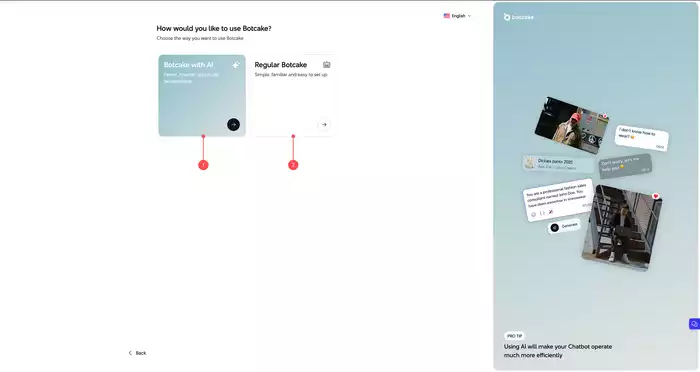
Chatbots can work all day and night, so your customers can get help or information even when your team isn’t online. They give instant answers, which cuts down waiting time and makes customers happier than traditional support methods.
And if set up properly, chatbots can remember past interactions or use customer information to give personalized responses, making every conversation more useful and relevant.
Increased Operational Efficiency
Chatbots handle repetitive tasks such as FAQs, order tracking, reducing the workload on human agents. By automating common interactions, businesses can lower customer support costs and operate more efficiently. This allows human teams to focus on complex issues that require empathy and deeper problem-solving, ultimately improving service quality.
Valuable Data and Insights
Analytics from chatbot interactions provide insights into user preferences, frequently asked questions, pain points, and behavior patterns.
Recurring issues or drop-offs in conversation flows can highlight areas where website, product, or service improvements are needed.
With data on performance and engagement, businesses can fine-tune conversation flows, automate more efficiently, and improve customer journeys over time.
Use Cases and Examples
Customer Service Chatbots
Many businesses use chatbots to handle frequently asked questions, track orders, or provide basic technical support - reducing load on human support teams and speeding up response times.
Sales and Marketing Chatbots
E-commerce stores and service businesses often use chatbots to recommend products, capture leads, run promotions, or engage visitors — ultimately driving conversions.
Internal HR Chatbots
Within companies, chatbots can automate HR functions: onboarding new employees, answering policy questions, managing IT support tickets, and improving internal efficiency.
Healthcare Chatbots
In healthcare settings, chatbots can assist patients with scheduling appointments, providing general health information, initial symptom checking, or answering common queries, reducing administrative burden.
Choosing the Right Chatbot Platform for Your Needs
Choosing the right chatbot platform for your business starts with understanding your current goals, such as automating customer support, improving response time, or increasing sales conversions. The best chatbot solution should match your team’s technical capabilities, integrate with your existing systems, and scale as your business grows
For SMBs, Botcake stands out as a strong option. It offers easy setup without heavy technical requirements, while still providing automation, integrations, and scalability needed to handle real customer conversations. This makes Botcake a practical choice for SMBs looking to improve responsiveness, capture leads, and grow efficiently—without overcomplicating their operations.
Conclusion
When you understand what a chatbot platform offers, it’s easier to decide what will work best for your business. The right choice can elevate your customer experience and boost daily operations. If you’re looking for an approachable yet powerful platform, Botcake.io is a great place to begin. Try now!